


KAIRU ECO-ART STUDIO
Swordtail fish, Platy Xiphophorus sp. Transparent Specimen Series_103_Miniature Museum on the Table
Swordtail fish, Platy Xiphophorus sp. Transparent Specimen Series_103_Miniature Museum on the Table
Couldn't load pickup availability

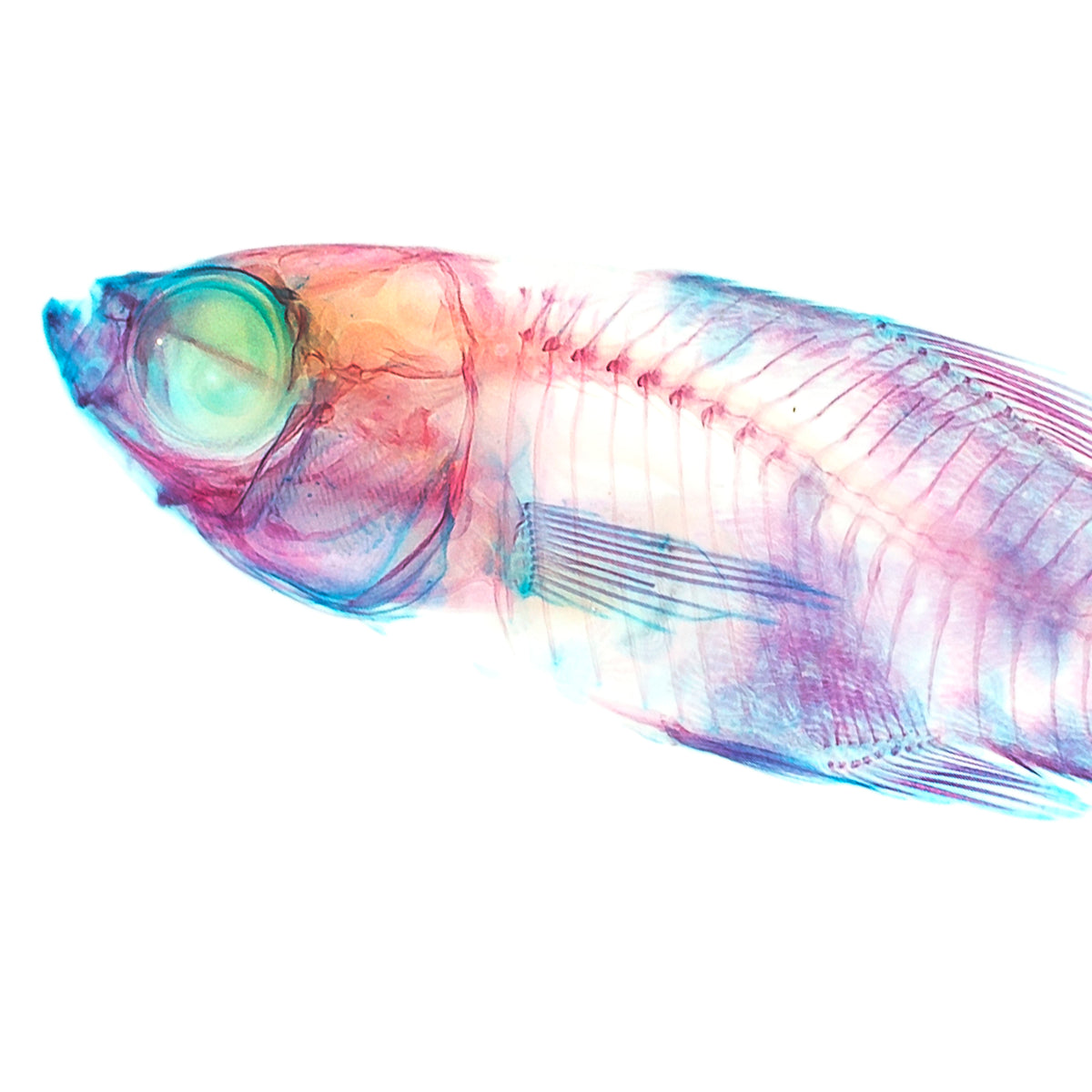
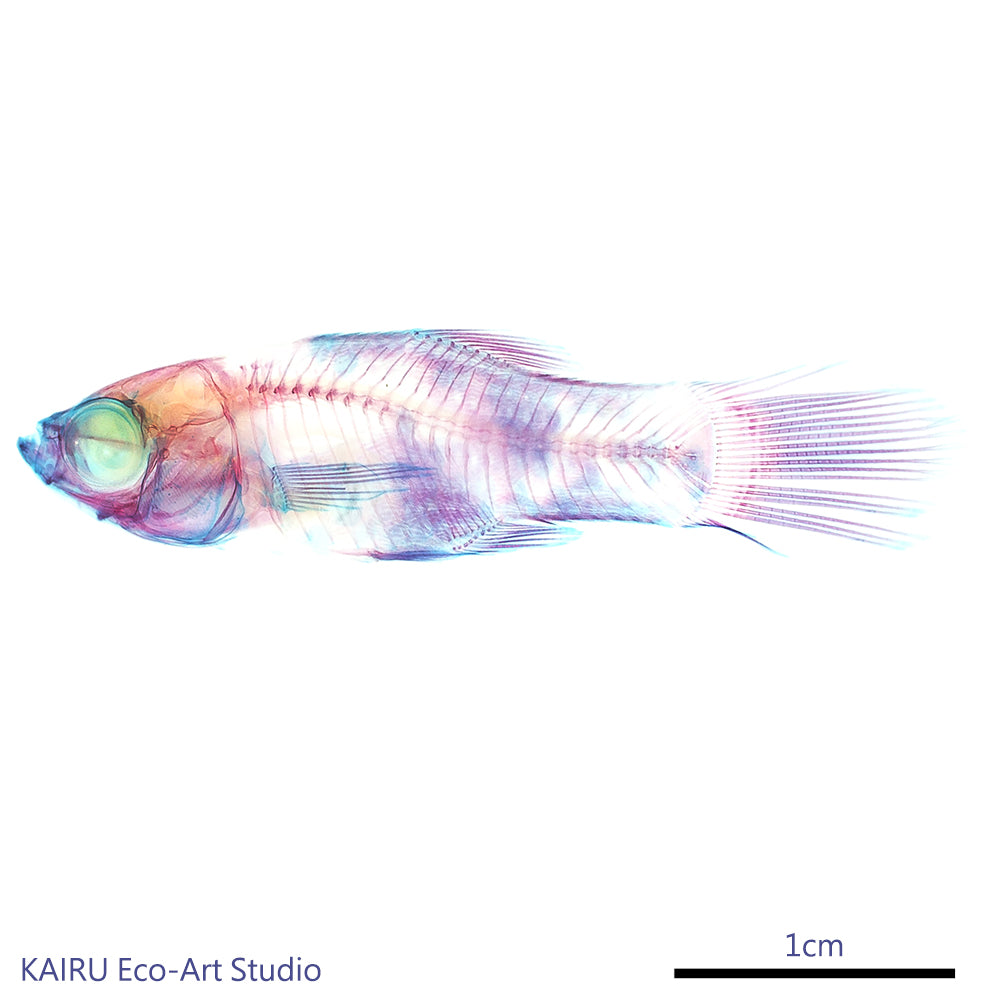


Biological Encyclopedia
In terms of classification, the genus Xiphophorus, like guppies and mollies, belongs to the family Poeciliidae. Poeciliids are characterized by an elongated body shape that is slightly wedge-shaped at the front, laterally compressed at the rear, and features an upward-facing, protractile mouth. The dorsal fin is short and located on the posterior half of the body. Identification features include the shape of the teeth, the structure of the snout, and the morphology of the gonopodium. Regarding the specific characteristics of Xiphophorus, the tail fins can be truncate or forked; in forked varieties, the lower portion of the tail fin is elongated, resembling a dagger or short sword.
Native to Central America and Mexico, Xiphophorus inhabit freshwater environments, preferring slow-moving streams, ditches, and swamps with ample cover, such as areas with a mix of aquatic weeds and muddy substrates. Their diet consists of invertebrates like small worms and insects, as well as plant detritus.
Xiphophorus are popular as aquarium fish. Individuals sourced from commercial farms may include hybrid strains, which might exhibit traits that differ from those of the wild-type. In Taiwan, populations resulting from escapes or improper releases have been found in wild freshwater environments, classifying them as an invasive species.
//Product Features//

See With Us, Sea With Us
Kairu Studio’s handmade diaphanized specimens are a series of "mini-museums" for your desk. Each specimen inside the glass bottle is a unique collectible. The preservation fluid is safe and non-toxic, and the specimens can be kept permanently. Let’s collect your own biological field guide together!

See With Us, Sea With Us
Diaphanization is a biological specimen preparation technique originally used for scientific research. Kairu sources specimens from discarded fish catch, invasive species, or individuals that died at breeding farms. Through a complex process involving multiple chemicals and dyes, the remains of these creatures—which would otherwise disappear—are reborn as stunning, one-of-a-kind transparent specimens without destroying the integrity of their bodies.
DIY Handmade Kairu’s Marine Lab Series: Diaphanization Kit
//Product Specifications//


//Contents//
Transparent biological specimen
High-clarity glass bottle
Glycerin
Display box
Classic biological information card
Product warranty card
//Container Dimensions//
5ml: 3.5cm x 1.5cm
Designed by Kairu Studio / Made in Taiwan
//Notes//
> This product is a biological specimen made from deceased organisms, sourced primarily from discarded fish catch or natural deaths.
> For display or educational purposes only. Do not consume and it is not recommended for handling as a toy.
> As these are real biological specimens, photos are for reference only. Slight imperfections (such as incomplete fins) are normal.
> It is recommended to store the product in a cool place away from direct sunlight.
> The preservation fluid is non-toxic glycerin. If it comes into contact with skin, simply rinse with water.
> The specimens are preserved in glycerin; any retained air bubbles can be used to adjust the positioning of the specimen.
> Handmade specimens will vary in color. Photos are for reference only. If you have specific requirements regarding color, please contact us before placing your order.