


KAIRU ECO-ART STUDIO
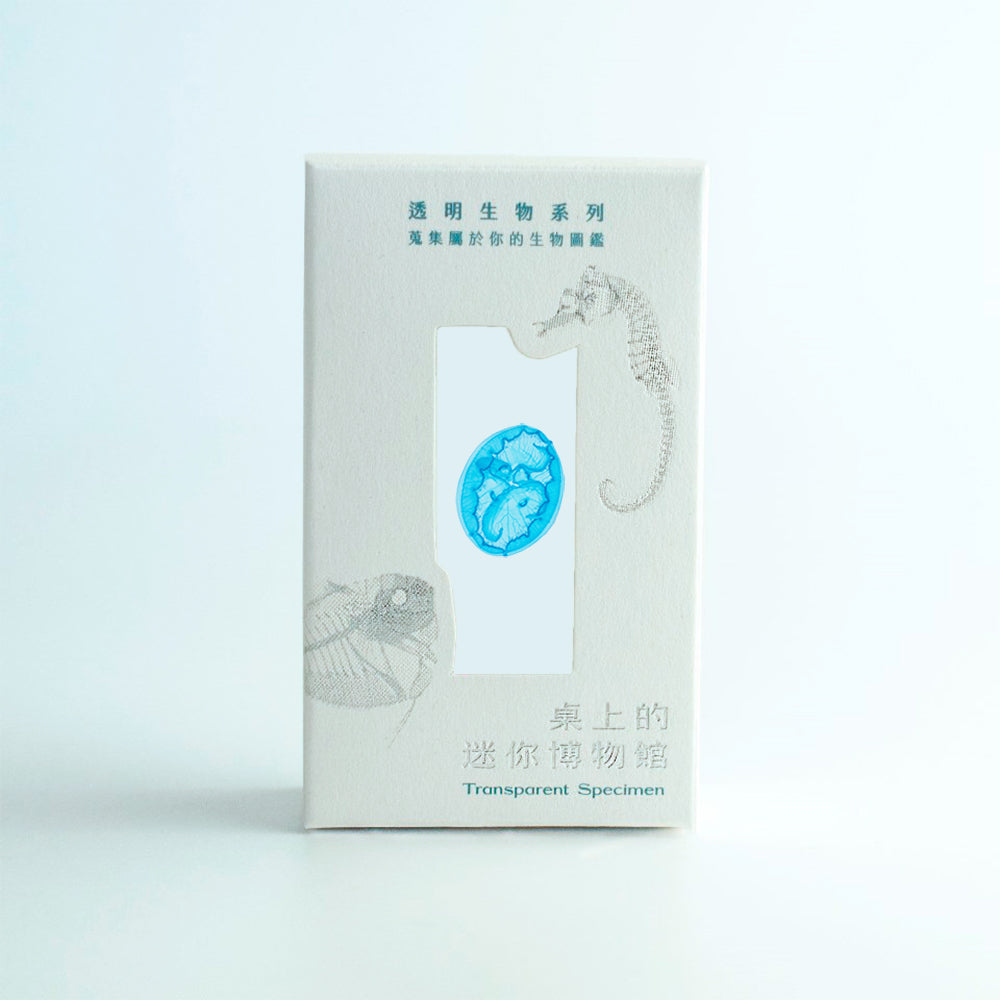
Moon Jellyfish Aurelia sp. Transparent Specimen Series_023_A Miniature Museum on Your Desk
Moon Jellyfish Aurelia sp. Transparent Specimen Series_023_A Miniature Museum on Your Desk
Couldn't load pickup availability



Biological Encyclopedia
The moon jellyfish genus, Aurelia sp., comprises several species that are difficult to distinguish from one another by appearance alone. The life cycle of a moon jellyfish begins with the release of sperm and eggs from the medusa, which develop into planula larvae that float in the water. These may slowly develop into medusae or attach themselves to rocks to enter the polyp stage. After a period of time, the polyp stage produces ephyrae, which then develop into medusae. The anatomy of a jellyfish includes the bell, manubrium, gastrovascular cavity, marginal tentacles, and germ layers. Viewed from above, four horseshoe- or U-shaped gonads are visible on the bell. The margin of the bell features tentacles, while the tentacles commonly thought to be located below the bell are actually the oral arms attached to the mouth, which are equipped with cnidocytes used for capturing prey.
Jellyfish populations occasionally bloom in certain sea areas. Possible reasons for this include seawater pollution creating an environment suitable for jellyfish reproduction, as well as a decrease in the number of natural predators in the area, such as sea turtles, ocean sunfish, and other jellyfish species.
//Product Features//

See With Us, Sea With Us
Kairu Studio’s handmade diaphonized specimens are part of our "Mini Museum on Your Desk" series. Each specimen in a glass bottle is a one-of-a-kind collectible. The preservation fluid is safe and non-toxic, and the specimens can be kept permanently. Let’s collect your own biological encyclopedia!

How does Kairu turn fish transparent?
Transparent biological specimens are a method of preparation originally used for scientific research. The specimens used by Kairu are sourced from discarded catches, invasive species, or creatures that have died at fish farms. During the production process, without damaging the integrity of the organism, the remains undergo treatment with multiple chemicals and dyes, allowing them to be reborn as beautiful and unique transparent specimens.
DIY Kairu’s Marine Lab Series: Transparent Specimen Kit
//Product Specifications//


//Contents//
Transparent Biological Specimen
High-clarity Glass Bottle
Glycerin
Display Box
Classic Biological Info Card
Product Warranty Card
//Container Dimensions//
15 ml screw-cap glass bottle: 7 cm height, 2.1 cm diameter
60 ml screw-cap glass bottle: 14 cm height, 2.7 cm diameter
Designed by Kairu Studio / Made in Taiwan
//Notes//
> This product is a biological specimen made from deceased creatures, primarily sourced from discarded catches or animals that died of natural causes.
> For display or educational purposes only; do not consume and avoid handling.
> These are real biological specimens; photos are for reference only. Slight imperfections (such as incomplete fins) are normal.
> It is recommended to store in a cool place away from direct sunlight.
> The preservation fluid is non-toxic glycerin; if it comes into contact with skin, simply rinse with clean water.
> The specimen is preserved in glycerin, where small air bubbles may be used to adjust the specimen's posture.
> Handcrafted specimens may have slight color variations; photos are for reference only. If you have specific color requirements, please contact us before placing your order.