
KAIRU ECO-ART STUDIO
African Fat-tailed Gecko (Hemitheconyx sp.) Diaphonized Specimen Series_230_A Mini Museum on the Table
African Fat-tailed Gecko (Hemitheconyx sp.) Diaphonized Specimen Series_230_A Mini Museum on the Table
Couldn't load pickup availability
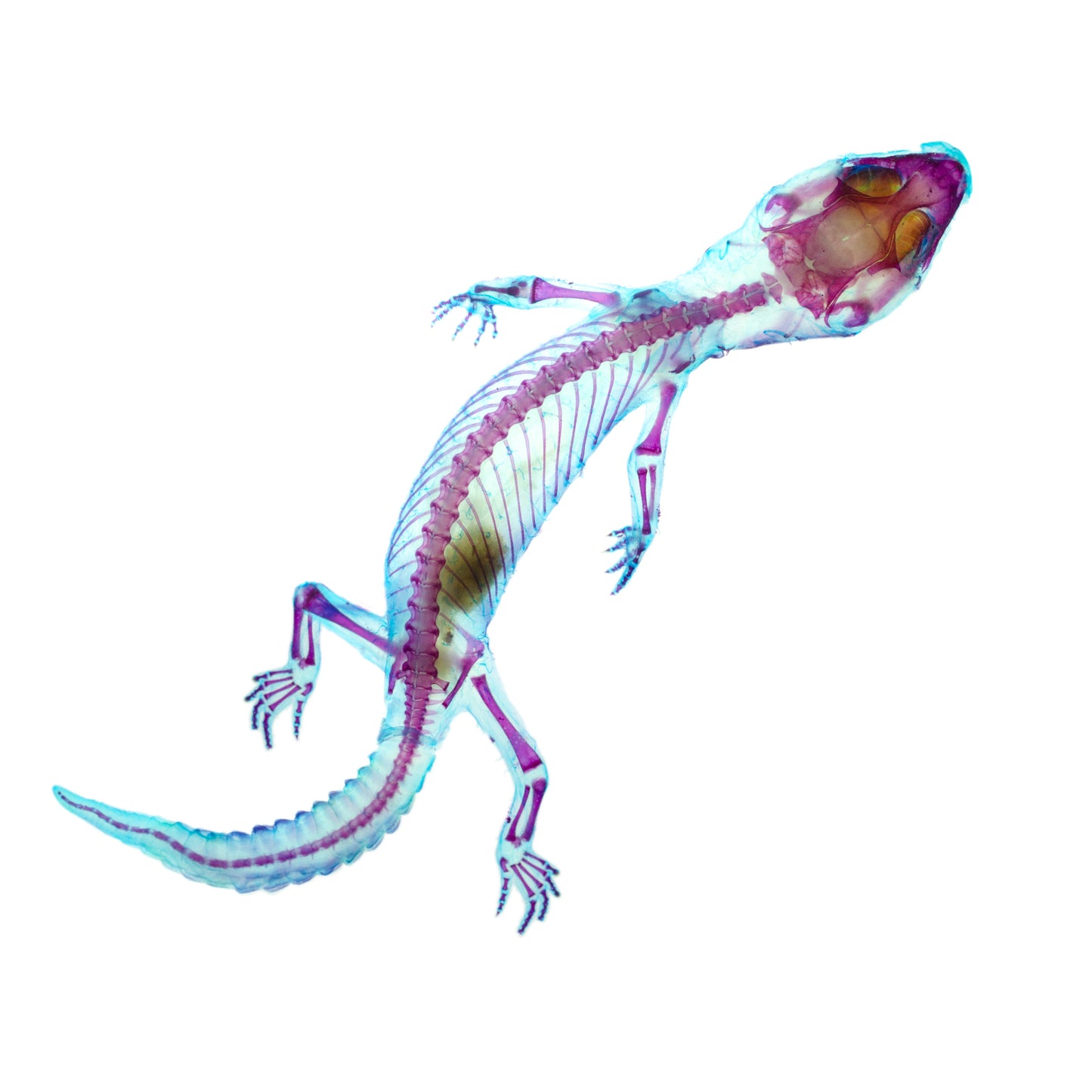

Biological Encyclopedia
Geckos of the family Eublepharidae, unlike the common house geckos found in Taiwan (family Gekkonidae), possess movable eyelids. Some geckos in the Eublepharidae family have rounded digits and do not have the expanded toe pads found in some other gecko species. Male geckos and eublepharids possess a pair of hemipenal structures within a protrusion on the ventral side of the tail base.
The family Eublepharidae is distributed across Asia, Africa, and Central America. They are generally insectivorous. Some geckos have enlarged tails used for storing nutrients, ensuring they have enough energy to maintain bodily functions during food shortages or mating seasons. Additionally, both common geckos and eublepharids have a tail-shedding mechanism; when they encounter natural predators in the wild or feel threatened, their tails can break off from the base. The severed tail continues to move for a while, distracting the predator and allowing the gecko time to escape. After losing their tails, Eublepharidae geckos may regrow a tail composed primarily of cartilage.
//Product Features//

See With Us, Sea With Us
Kairu Studio’s handmade diaphanized specimens are a "miniature museum on your desk" series. Each transparent specimen inside the glass bottle is a one-of-a-kind collectible. The preserving fluid is safe and non-toxic, and the specimens can be preserved permanently. Start building your own biological collection today!

How does Kairu turn fish transparent?
Transparent biological specimen preparation is a scientific technique initially used for research. The specimens used by Kairu are sourced from discarded fisheries, invasive species, or organisms that have died in farms. Without damaging the integrity of the biological body, the specimens undergo multiple chemical and staining treatments, allowing the remains of creatures that were about to fade away to be reborn as exquisite, one-of-a-kind transparent specimens.
DIY Handmade: Kairu’s Marine Lab Series – Transparent Specimen Making Kit
//Product Specifications//


//Contents//
Transparent biological specimen
High-clarity glass bottle
Glycerin
Display box
Classic biological introduction card
Product warranty card
//Container Dimensions//
15 ml screw-cap glass bottle: 7 cm height, 2.1 cm diameter
60 ml screw-cap glass bottle: 14 cm height, 2.7 cm diameter
Designed by Kairu Studio / Made in Taiwan
//Notes//
> This product is a biological specimen made from deceased organisms, sourced primarily from discarded fisheries or natural deaths.
> For display or educational purposes only. Do not ingest, and handling is not recommended.
> As these are real biological specimens, photos are for reference only. Minor imperfections (such as incomplete fins) are normal.
> It is recommended to store in a cool place away from direct sunlight.
> The preservative glycerin is a non-toxic liquid; if it comes into contact with skin, simply rinse with water.
> The specimens are preserved in glycerin; any air bubbles present may be used to adjust the posture of the specimen.
> As these specimens are handmade, color variations will occur. Photos are for reference only; if you have specific requirements regarding color, please contact us before placing your order.